
Kanna, kava and kratom should not be treated as interchangeable alcohol alternatives.
They are often grouped together because all three show up in conversations about functional drinks, botanicals, relaxation, mood and sober-curious substitutes. That grouping can be useful for search. It can also be misleading.
Kanna is a mood-active South African botanical with limited human evidence, serotonin-related cautions and product-quality concerns.
Kava is a South Pacific botanical and beverage tradition associated with relaxation and ritual, with important liver and sedative-interaction cautions.
Kratom is a much higher-caution category. It is associated with opioid-receptor activity, dependence risk, FDA warnings and legal/regulatory problems. It does not belong in the same casual beverage lane as Kanna drinks or kava bars.
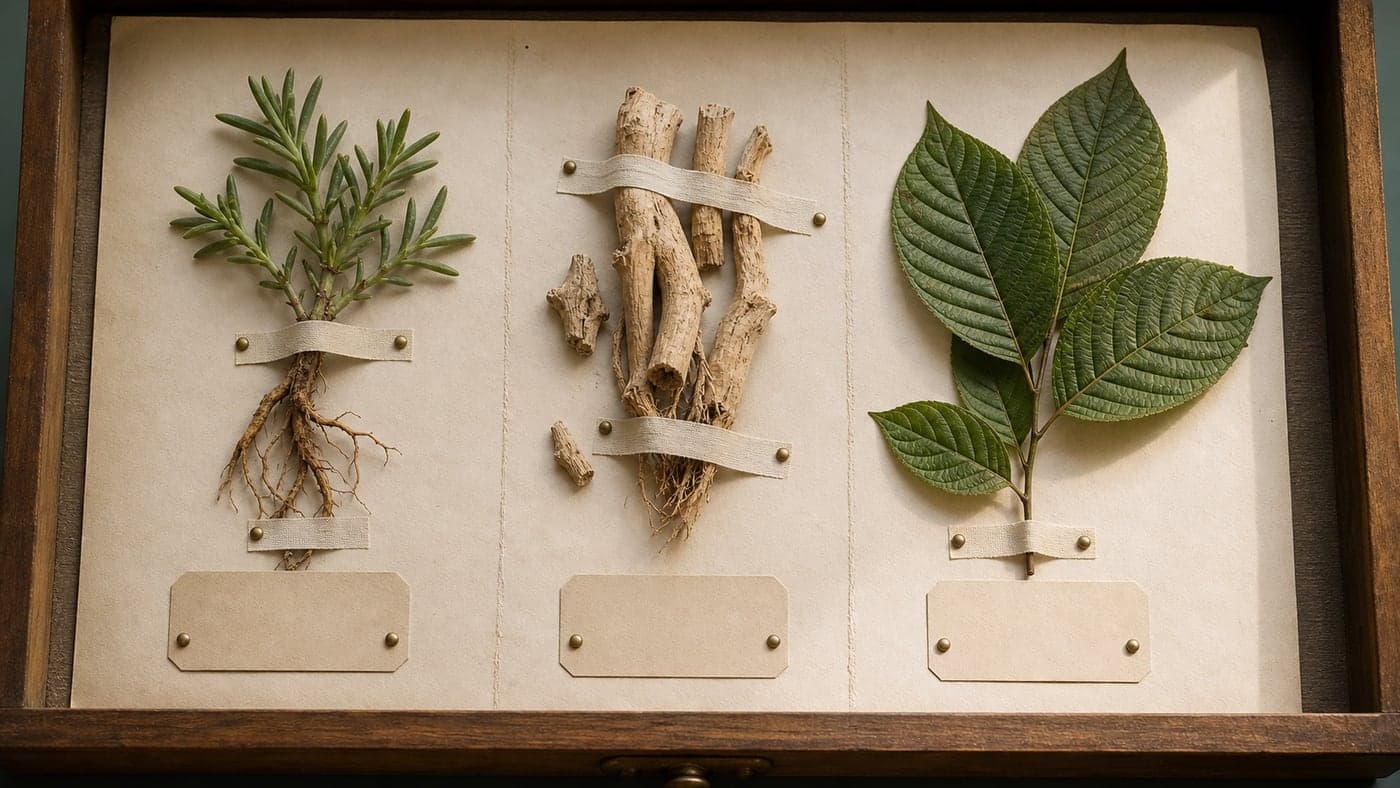
The short answer
If you are comparing these three because you want an alcohol-free social ritual, start with the risk profile before the vibe.
| Factor | Kanna | Kava | Kratom |
|---|---|---|---|
| Identity | Sceletium tortuosum. | Piper methysticum. | Mitragyna speciosa. |
| Modern formats | Drinks, chews, tinctures, powders, teas. | Kava drinks, bars, extracts, capsules. | Powders, capsules, extracts, shots, 7-OH products. |
| Drink fit | Possible sober-curious ritual if safety and label checks pass. | Relaxation ritual with liver and sedative cautions. | Not a casual alcohol-alternative lane. |
| Main caution | Limited evidence, side effects, serotonin-related interactions, unclear labels. | Rare liver injury reports, sedative interactions, product quality. | FDA warnings, opioid-receptor activity, dependence, withdrawal. |
| Quality check | Kanna named, serving disclosed, actives and testing clear. | Plant part, preparation, serving and testing clear. | Is it kratom, mitragynine, 7-OH or enhanced? Is it lawful? |
The practical takeaway: Kanna and kava can be discussed as alcohol-alternative-adjacent botanicals with guardrails. Kratom should be treated as a high-caution substance, not as a functional beverage shortcut.
Why These Three Get Confused
These botanicals get grouped together because they sit near the same consumer shelf:
- Functional beverages.
- Smoke shop products.
- Wellness supplements.
- Mood and relaxation claims.
- Alcohol-alternative marketing.
- Online discussions about plant-based state change.
That shelf is not a safety category.
Alcohol alternatives are usually judged by flavor, ritual, social fit, calories and next-day feel. Botanicals add a different layer: active ingredients, medication interactions, side effects, product quality, legal status and whether a product is even allowed to be marketed the way it is being sold.
For readers comparing non-alcoholic drinks, the question should be:
Would this product make sense as a normal non-alcoholic drink choice?
For Kanna, sometimes the answer may be yes if the product is transparent and the reader has checked the safety chapter.
For kava, sometimes the answer may be yes in a kava-specific ritual or bar context, but the liver and sedation cautions need to stay visible.
For kratom, the answer should be much more guarded. FDA and OPSS warnings put it outside the casual sober-curious drink lane.
Kanna: Mood-Active, Not Alcohol
Kanna is the common name for Sceletium tortuosum, a plant native to South Africa. OPSS describes Kanna as a dietary supplement ingredient and notes that it is also promoted for euphoric and psychoactive effects.
That is why this guide treats Kanna carefully.
Kanna may be relevant to sober-curious readers because some products appear as non-alcoholic drinks, chews, tinctures, powders and teas. A Kanna drink can fit a social ritual in a way a capsule or loose powder cannot. But a social form factor does not remove the supplement-style safety questions.
The main Kanna cautions are:
- Human evidence is limited.
- Studies have been small and short-term.
- Some studies use standardized extracts rather than every product sold as Kanna.
- Side effects can include headache, gastrointestinal problems, fatigue, drowsiness and difficulty concentrating.
- Product quality varies, and OPSS reports adulteration concerns.
- Kanna should not be treated casually with serotonergic medications or substances.
Kanna's best role here is not intoxication.
It is a possible alcohol-free ritual for readers who are willing to evaluate labels, avoid risky combinations and accept that the evidence is still limited.
Read Is Kanna Safe? before trying a Kanna product.
Kava: relaxation, ritual and liver caution
Kava is Piper methysticum, a plant native to the South Pacific with a long beverage and ceremonial tradition. NCCIH notes that kava is sold in the United States as dietary supplements and at kava bars.
Kava is usually discussed around relaxation.
That makes it easy to compare with alcohol, especially for readers who want an evening wind-down ritual. A kava drink or kava bar can feel more beverage-like than a supplement capsule. It can also have a clear social setting.
But kava has its own safety conversation.
NCCIH says various kava products have been linked to rare cases of liver injury, including serious or fatal cases. NCCIH also says possible contributors include undesirable plant varieties, inappropriate plant parts, using kava with alcohol, adulteration or contamination, individual susceptibility and large amounts or prolonged use.
NCCIH also notes that kava can cause digestive upset, headache, dizziness and other side effects. It also says kava should not be used with other substances that have sedative effects, such as alcohol or benzodiazepines.
The careful framing is:
- Kava may fit a relaxation or ritual context.
- Kava is not a universal low-risk alcohol replacement.
- Kava's liver and sedative-interaction cautions should be visible whenever it is compared with Kanna.
- Readers taking medications or with liver concerns should not use a beverage guide as a clearance tool.
Kava is closer to the alcohol-alternative world than kratom, but it still needs more caution than a normal non-alcoholic drink.
Kratom: higher-risk and not a casual beverage substitute
Kratom is Mitragyna speciosa. FDA says kratom contains more than 50 alkaloids, with most scientific research focused on mitragynine and 7-OH, both of which bind to mu opioid receptors.
That one fact changes the whole comparison.
Kratom is often discussed by users around pain, energy, sedation, withdrawal, mood or relaxation. Do not use a beverage guide to evaluate it for any of those uses. Those are medical, dependence and regulatory topics, not casual drink-selection topics.
FDA says kratom is not lawfully marketed in the United States as a drug product, dietary supplement or food additive in conventional food. FDA also warns consumers not to use kratom because of risks including liver toxicity, seizures and substance use disorder.
OPSS is even more direct for military readers: kratom, mitragynine and 7-OH are on the DoD Prohibited Dietary Supplement Ingredients List. All kratom, mitragynine and 7-OH products are prohibited for Service Members.
OPSS also notes that kratom and 7-OH products can lead to dependence and other serious health risks. These products may appear as powders, capsules, tablets, extracts, shots, tinctures, beverages, edibles and vapes.
The conclusion is simple:
Kratom does not belong in this guide as a casual alcohol substitute.
It belongs here only because people compare it with Kanna and kava, and that comparison needs a clear warning.
Which Fits An Alcohol-Free Social Ritual?
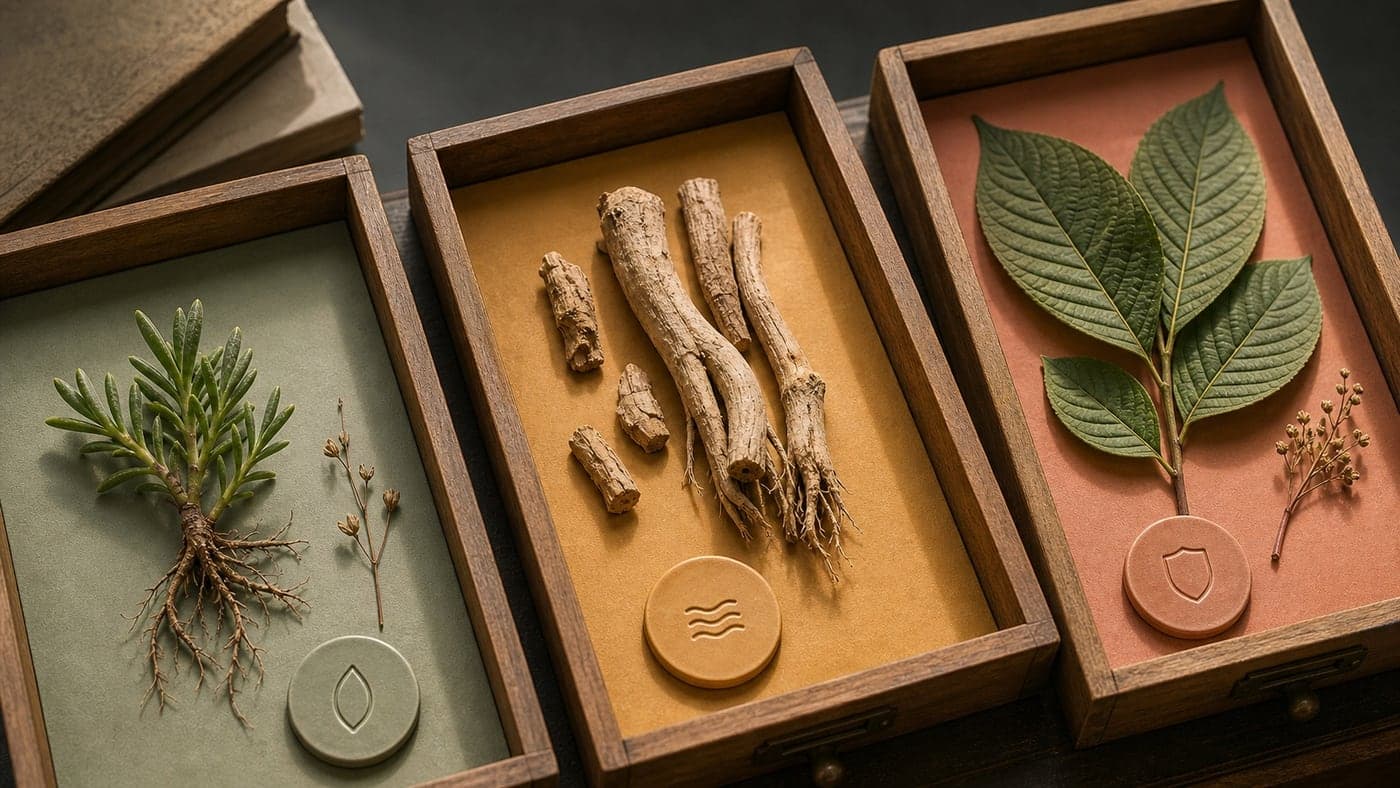
If the goal is an alcohol-free social ritual, Kanna and kava are easier to discuss than kratom.
Kanna may fit when:
- The product is a transparent drink, chew, tincture, tea or supplement.
- The reader has checked medication and safety concerns.
- The goal is a non-alcoholic ritual, not a medical outcome.
- The product label and testing are clear enough to evaluate.
Kava may fit when:
- The reader understands the liver and sedative-interaction cautions.
- The setting is kava-specific, such as a kava bar or prepared kava beverage.
- The reader is not combining it with alcohol, benzodiazepines or other sedative substances.
- The product or preparation has clear quality standards.
Kratom does not fit this lane well.
Even if some kratom products are sold as beverages or shots, the regulatory and safety profile is different. A product format can look like a drink while carrying risks that belong closer to drug, dependence and compliance conversations.
Safety and product quality
Product quality matters for all three botanicals.
For Kanna, OPSS reports limited safety information, reported side effects and adulteration concerns involving hordenine and ephedrine in some Kanna-containing supplement products.
For kava, NCCIH discusses possible liver-injury contributors including plant variety, plant part, alcohol co-use, adulteration or contamination, individual susceptibility and large amounts or prolonged use.
For kratom, FDA and OPSS warn about serious adverse events, substance use disorder, dependence, withdrawal, contamination/adulteration and unlawfully marketed products.
A product-quality checklist should ask:
- Does the product clearly name the botanical?
- Does it disclose serving size and format?
- Does it disclose other active ingredients?
- Does it provide current third-party testing or a certificate of analysis?
- Does it avoid disease-treatment claims?
- Does it avoid exaggerated mood, sedation, pain or social-effect promises?
- Does it avoid unclear blends and effect-first marketing?
- Does the product create legal, military, workplace or medical compliance issues?
If those answers are unclear, do not let the product's category name do the work.
How to choose what to read next
Use the question you actually have.
If you are interested in Kanna as a sober-curious drink ingredient, read Kanna vs Alcohol and Kanna Drinks vs Powder vs Chews.
If you are concerned about safety, read Is Kanna Safe? before considering any Kanna product.
If you are comparing Kanna products, use Best Kanna Drinks as a verification-first shortlist. Do not treat any product format as a safety guarantee.
If your interest is kratom for pain, withdrawal, mood, energy, sedation or any medical purpose, do not use this guide as the decision tool. Start with FDA and OPSS safety information and talk with a qualified clinician.
The practical verdict
Kanna, kava and kratom are not three flavors of the same category.
Kanna may have a place in the sober-curious drink conversation if the product is transparent and the reader respects the safety cautions.
Kava may have a place in relaxation and ritual contexts, but liver and sedative-interaction warnings should stay front and center.
Kratom is a high-caution substance with FDA and OPSS warnings, opioid-receptor activity, dependence concerns and legal/regulatory problems. It should not be presented as a casual beverage substitute.
The better comparison is not which one is most powerful.
It is which one still makes sense after you look at evidence, safety, legality, product quality and the actual role you want the product to play.
Read next
Read Is Kanna Safe? for the safety anchor.
Read Kanna vs Alcohol if your main question is alcohol replacement.
Read Kanna Drinks vs Powder vs Chews if you are comparing Kanna formats.
Go back to the full Kanna Guide for the complete chapter list.